Blog
Travel has never been more accessible, yet the sheer volume of information available can feel overwhelming. Between generic booking sites, sponsored recommendations, and outdated guidebooks, finding authentic, practical advice that truly enhances your journey can be challenging. This is where travel blogs serve a unique purpose: they bridge the gap between commercial tourism content and real traveler experiences, offering perspectives shaped by genuine exploration rather than marketing agendas.
A well-crafted travel blog functions as a compass for curious explorers at every stage of their journey. Whether you’re sketching out a rough itinerary for your first international trip, searching for hidden gems in a familiar city, or seeking cultural context to deepen your understanding of a destination, thoughtfully written travel content provides the insights that transform a simple vacation into a meaningful experience. This resource will help you understand what makes travel blogs valuable, how to navigate them effectively, and why they’ve become essential tools for modern travelers.
Why Travel Blogs Matter for Modern Travelers
The travel landscape has fundamentally shifted over the past decades. While traditional guidebooks once dominated trip planning, they suffer from a critical limitation: they become outdated the moment they’re printed. A restaurant that was thriving when the book went to press may have closed six months later. A hidden beach may have become overcrowded. Local regulations change, new transportation options emerge, and cultural norms evolve.
Travel blogs address this gap by offering current, lived experiences. When a traveler writes about navigating a specific border crossing last month, trying a new hostel that opened recently, or adapting to updated entry requirements, that information carries immediate relevance. Beyond timeliness, blogs provide something guidebooks rarely can: personal context and nuanced perspectives. A family traveling with toddlers faces entirely different challenges than solo backpackers or retired couples, and blogs allow you to find voices that match your travel style.
Perhaps most importantly, travel blogs democratize travel knowledge. You’re no longer limited to the perspectives of professional travel writers who visit destinations on press trips. Instead, you gain access to insights from teachers who spent their summer in Southeast Asia, digital nomads who’ve lived in twelve countries, parents who’ve mastered long-haul flights with children, and budget travelers who’ve learned to stretch every dollar without sacrificing experience.
What Makes a Travel Blog Valuable?
Not all travel content offers equal value. The most helpful travel blogs share several distinctive characteristics that set them apart from superficial listicles or promotional content disguised as advice.
Authenticity and Real Experience
Valuable travel writing stems from genuine experience rather than aggregated research. When a writer describes the exact timing to visit a popular monument to avoid crowds, shares the name of a local bus route that saves hours compared to tourist shuttles, or explains the unwritten etiquette in a traditional market, you’re receiving knowledge that can only come from being there. This experiential depth transforms generic advice into actionable intelligence.
Practical Specificity
General statements like « Paris is beautiful » or « Thailand has great food » provide little actionable value. Quality travel content delivers specificity: which arrondissement offers the best value for accommodations, which night markets in Chiang Mai cater to locals rather than tourists, how much time to realistically allocate for a museum visit including queue time. These practical details are what actually help you plan and navigate effectively.
Cultural Context and Respect
The most enriching travel content goes beyond logistics to explore the why behind the what. Understanding why shoes are removed before entering certain spaces, the historical significance of a local festival, or the economic factors affecting a region doesn’t just make you a more informed traveler—it fosters genuine respect and deeper connections with the places you visit.
Types of Travel Content That Enhance Your Journey
Travel blogs encompass diverse content types, each serving different purposes in your travel ecosystem. Understanding these categories helps you find exactly what you need at each planning stage.
Destination Deep Dives
These comprehensive pieces explore specific locations in detail, covering everything from arrival logistics to neighborhood characteristics. They answer questions like: What’s the best way to get from the airport to the city center? Which areas should you base yourself in? What’s the realistic daily budget? These articles serve as your primary planning resource when first researching a destination.
Thematic Inspiration
Rather than focusing on a single place, thematic content explores concepts: sustainable travel practices, photography tips for capturing landscapes, managing travel anxiety, or maintaining health routines while on the road. This content enriches how you travel, regardless of where you’re going.
Practical How-To Advice
From packing strategies and visa application processes to finding affordable accommodation or managing long layovers, practical guides address the mechanics of travel. These articles solve specific problems and build your confidence as a traveler, particularly valuable for those newer to international exploration.
Cultural Insights and Stories
Narrative pieces that explore cultural encounters, historical context, or personal reflections add depth to your understanding. Reading about someone’s experience attending a local wedding, participating in a traditional ceremony, or navigating cultural misunderstandings prepares you for meaningful interactions and helps you approach destinations with appropriate sensitivity.
How to Navigate Travel Blogs Effectively
With countless travel blogs available, developing a strategic approach to consuming this content ensures you find reliable information efficiently without falling into planning paralysis.
Start by identifying multiple sources rather than relying on a single voice. Different travelers notice different details and have varying priorities. Cross-referencing information from three to four sources helps you distinguish universal advice from individual preferences. If five bloggers mention the same local restaurant or warn about the same tourist scam, that repeated information carries weight.
Pay attention to when content was published or updated. While some travel advice remains timeless—cultural etiquette rarely changes overnight—practical details about visa requirements, transportation options, and business operations require current information. Most valuable travel blogs include publication dates and periodically update popular articles to maintain accuracy.
Consider the traveler’s perspective and how it aligns with your own. A solo traveler’s restaurant recommendations might focus on counter seating and casual spots, while family-oriented content emphasizes space and kid-friendly menus. A luxury traveler and a backpacker visiting the same destination will have entirely different experiences and advice. Finding voices that match your travel style, budget, and priorities ensures the advice you receive will actually apply to your situation.
Look beyond just the written content. Comments sections often contain updated information from recent travelers, alternative suggestions from locals, and corrections to any outdated details. Many travelers share their own experiences, essentially crowdsourcing current intelligence about destinations.
Beyond Destinations: The Complete Travel Picture
The most comprehensive travel resources extend beyond where to go and what to see, addressing the fuller spectrum of travel challenges and opportunities. This holistic approach acknowledges that successful travel involves much more than booking flights and hotels.
Topics like managing travel finances, staying connected internationally, handling unexpected situations, respecting local environments, and traveling more sustainably have become increasingly important to conscious travelers. Quality blogs address these concerns not as afterthoughts but as integral components of the travel experience.
Personal growth and transformation through travel—while sometimes dismissed as cliché—represent genuine value for many explorers. Content that honestly explores the challenges of long-term travel, the process of adapting to unfamiliar cultures, or the skills developed through navigating foreign environments provides realistic expectations rather than romanticized fantasies. This balanced perspective helps travelers prepare mentally and emotionally, not just logistically.
The relationship between travel and broader life—maintaining relationships while traveling, balancing work and exploration, returning home after extended trips, or integrating travel values into daily life—rounds out the travel conversation. These topics acknowledge that for many people, travel isn’t separate from life but woven throughout it.
Travel blogs have evolved from simple trip diaries into sophisticated resources that educate, inspire, and empower travelers at every experience level. By offering current information, authentic perspectives, and practical wisdom gathered from real exploration, they fill a crucial gap in the travel planning ecosystem. Whether you’re plotting your first international adventure or your fiftieth, approaching travel content strategically—with attention to source credibility, content relevance, and your specific needs—transforms overwhelming information into actionable knowledge that enhances every journey you undertake.

Provisional Safari Bookings: How to Hold Your Dream Trip Without Losing It
The secret to booking a high-demand safari isn’t just speed; it’s understanding the hidden system of inventory scarcity that governs every exclusive camp. Provisional bookings are temporary, courtesy holds (usually 1-2 weeks) that expire automatically, creating a high-stakes booking environment….
Lire la suite
Private Charter vs. Seat Rate: When Is It Worth Hiring the Whole Plane?
The choice between a private charter and first-class seats is not about cost, but about total value. A private charter becomes the superior strategic investment when control over time, logistics, and environment is paramount. It eliminates multi-stop « milk runs, » saving…
Lire la suite
North to South or South to North: How to Flow Your Botswana Itinerary?
The optimal Botswana itinerary flow isn’t about direction (North vs. South), but about designing a narrative arc that builds in intensity, diversity, and wonder. The most efficient route is a one-way progression, typically starting in Maun (Delta) and ending in…
Lire la suite
Why Booking with a Citizen-Owned Operator Changes the Impact of Your Dollar?
Booking direct with a citizen-owned operator is the single most powerful way to ensure your safari budget supports Batswana communities, not offshore accounts. Local operators retain 100% of revenue in-country, compared to the 40-60% « economic leakage » common with international agents….
Lire la suite
Where Does Your $1,500-a-Night Safari Cost Actually Go in Botswana?
The premium price of a Botswana safari is a strategic economic tool designed for conservation, not just a luxury tax. It enforces a « low-volume, high-impact » model that prevents ecosystem collapse by staying within ecological limits. Up to 35% of your…
Lire la suite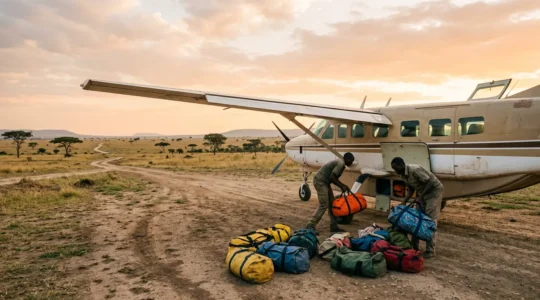
Soft Bags Only: Why Will the Pilot Refuse Your Hard Suitcase on the Tarmac?
Your standard hard-shell suitcase, a trusted companion on international flights, becomes a critical safety liability on a bush plane. The strict « soft bag only » rule isn’t about convenience; it’s a non-negotiable requirement dictated by the physics of weight distribution and…
Lire la suite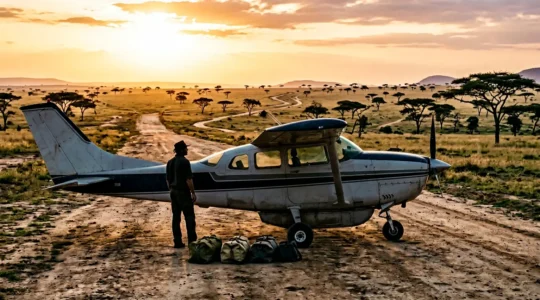
Soft Bags vs. Hard Shells: Why Are Safari Pilots So Strict About Your Luggage?
The 15kg soft-sided bag rule is not an arbitrary inconvenience; it is the non-negotiable keystone that ensures the safety and operational integrity of the entire remote safari flight network. Hard luggage physically does not fit into the cargo pods and…
Lire la suite
Linyanti or Savuti: Which Hidden Gem Should You Add to Your Itinerary?
The real question isn’t Linyanti vs. Savuti; it’s how you sequence them to create a compelling story. A great Botswana itinerary is built on ecological and experiential contrast, not just ticking off famous names. Pacing is critical: short stays break…
Lire la suite
Why Is Silence the Most Expensive Amenity in a Botswana Safari?
Contrary to popular belief, the high cost of a Botswana safari isn’t for material luxury, but for a neurologically restorative experience: authentic silence. Silence in the bush is not an absence of noise, but a rich soundscape that reduces cortisol…
Lire la suite
How Does Botswana’s Low Volume Policy Change Your Safari Experience?
Botswana’s high safari price isn’t a barrier to entry; it’s the core mechanism of a revolutionary conservation model that prioritizes ecological health over tourist numbers. Fewer tourists mean less stress on wildlife, leading to more natural animal behaviors and profoundly…
Lire la suite