Safaris and nature
Few travel experiences rival the transformative power of a safari. Imagine watching a lioness stalk her prey across golden grasslands, or witnessing thousands of wildebeest thunder across a river during the Great Migration. Safari travel offers more than spectacular wildlife sightings—it connects you to ancient ecosystems, supports conservation efforts, and creates memories that reshape how you see the natural world.
Whether you’re dreaming of your first safari or planning your next adventure, understanding the diverse options available will help you craft an experience perfectly suited to your interests, budget, and travel style. This comprehensive exploration covers everything from safari types and premier destinations to practical planning considerations and responsible travel practices.
What Makes Safari Travel Unique?
Safari travel fundamentally differs from conventional tourism. Rather than following rigid itineraries, your days unfold according to nature’s rhythms. Dawn game drives capitalize on predator activity during cooler hours, while afternoon excursions often reveal different behavioral patterns as temperatures shift.
The unpredictability itself becomes part of the appeal. One morning might bring a rare leopard sighting in a tree just meters from your vehicle; another might feature playful elephant calves at a waterhole. Experienced guides read subtle signs—fresh tracks, alarm calls from birds, changes in herd behavior—transforming each outing into an educational journey through complex ecosystems.
This immersive experience also connects travelers to critical conservation initiatives. Many safari operators directly fund anti-poaching patrols, habitat restoration, and community development projects. Research indicates that wildlife tourism generates substantial revenue for protected areas, creating economic incentives for preservation that benefit both wildlife and local communities. Your safari participation becomes an active contribution to these conservation efforts.
Types of Safari Experiences
Modern safaris have evolved far beyond the stereotypical image of tourists in 4×4 vehicles. Today’s options cater to diverse interests, fitness levels, and desired levels of comfort. Understanding these variations helps you select experiences aligned with your preferences.
Traditional Game Drive Safaris
The classic safari format remains popular for good reason. Conducted in specially modified vehicles with pop-up roofs and tiered seating, game drives offer excellent visibility while maintaining safety. Expert guides navigate reserves using years of knowledge about animal movements and seasonal patterns. These safaris work beautifully for families, photographers requiring stable platforms, and travelers who prefer observing wildlife without physical exertion.
Most lodges offer twice-daily drives—early morning departures around sunrise and late afternoon excursions extending past sunset. This schedule capitalizes on peak animal activity while avoiding midday heat when many species rest in shade.
Walking Safaris
For those seeking deeper immersion, walking safaris provide intimate encounters impossible from vehicles. Accompanied by armed rangers and trackers, small groups explore on foot, learning to identify tracks, interpret dung beetles’ ecological role, and understand the intricate relationships within ecosystems.
Walking heightens all senses. You’ll notice the metallic scent of elephant, hear the alarm snort of impala detecting danger, and feel the tension when your guide signals silence after spotting fresh lion prints. These safaris typically cover 5-10 kilometers over several hours and require moderate fitness levels. They’re particularly rewarding for nature enthusiasts who appreciate botany, insects, and smaller species often overlooked from vehicles.
Specialized Safari Formats
Niche safari styles cater to specific interests. Photography-focused safaris feature specialized vehicles with beanbag supports, longer time at sightings, and guides trained in understanding optimal lighting conditions. Boat-based safaris along rivers and waterways reveal hippos, crocodiles, and spectacular birdlife. Horseback safaris allow you to approach certain species more closely than vehicles permit, while hot air balloon safaris provide breathtaking aerial perspectives of landscapes and wildlife patterns.
Where to Go: Premier Safari Destinations
While « safari » often evokes African imagery, exceptional wildlife experiences exist across multiple continents. Each destination offers distinct ecosystems, species, and seasonal considerations.
East African Highlights
Tanzania’s Serengeti ecosystem and Kenya’s Maasai Mara together form the stage for the Great Migration—over 1.5 million wildebeest, plus hundreds of thousands of zebras and gazelles, moving in a continuous cycle following rainfall patterns. Beyond this spectacle, East Africa boasts the Ngorongoro Crater’s concentrated wildlife populations, Rwanda’s mountain gorilla experiences, and Uganda’s chimpanzee tracking.
The region’s infrastructure ranges from luxury lodges to mobile tented camps that follow migration movements, offering flexibility across budget ranges. Cultural encounters with Maasai, Samburu, and other communities add valuable dimensions to wildlife-focused itineraries.
Southern African Wilderness
Botswana’s Okavango Delta represents one of Earth’s most remarkable ecosystems—a vast inland delta where seasonal flooding transforms arid landscapes into wildlife-rich waterways. Traditional mokoro (dugout canoe) excursions complement game drives, creating varied safari experiences. South Africa’s private reserves offer exceptional Big Five viewing (lion, leopard, elephant, buffalo, rhino) with well-developed tourism infrastructure, including malaria-free options ideal for families with young children.
Namibia provides dramatic desert-adapted wildlife, while Zambia’s walking safari heritage and Zimbabwe’s Mana Pools National Park attract adventurous travelers seeking more remote, less commercialized experiences.
Beyond Africa
India’s tiger reserves, particularly in Madhya Pradesh and Rajasthan, deliver thrilling big cat encounters amid historical and cultural richness. Sri Lanka combines leopard viewing with Asian elephant populations, while emerging destinations like Pantanal in Brazil—the world’s largest tropical wetland—offer jaguar sightings and incredible bird diversity.
Planning Your Safari Adventure
Thoughtful preparation significantly enhances safari experiences while minimizing potential challenges. Several key considerations deserve attention during your planning phase.
Timing and Seasonal Factors
Wildlife viewing quality fluctuates seasonally based on rainfall, vegetation density, and animal behavior patterns. Dry seasons generally offer superior viewing as animals concentrate around limited water sources and sparse vegetation improves visibility. However, wet seasons bring dramatic landscapes, newborn animals, exceptional bird migration, and lower accommodation rates with fewer tourists.
The Great Migration’s timing varies annually based on rainfall, typically occurring in Kenya’s Maasai Mara between July and October, and in Tanzania’s Serengeti from December through July with river crossings peaking around July-August. Researching specific destination patterns helps align your visit with personal priorities—whether that’s migration witnessing, predator activity, or simply avoiding crowds.
Essential Preparations
Safari packing requires balancing preparedness with luggage restrictions, as many small aircraft serving remote camps enforce strict weight limits. Prioritize these essentials:
- Neutral-colored clothing (khaki, olive, brown) that doesn’t disturb wildlife or attract insects
- Layering options for early morning cold and midday heat variations
- Quality binoculars for distant sightings and bird identification
- Sun protection including high-SPF sunscreen, wide-brimmed hats, and sunglasses
- Camera equipment with appropriate zoom capabilities (200-400mm lenses ideal for wildlife)
- Any required medications, as remote areas lack pharmacies
Health preparations vary by destination. Some regions require yellow fever vaccination certificates, while antimalarial prophylaxis becomes necessary for certain areas. Consulting travel health specialists several months before departure allows time for multi-dose vaccination schedules.
Conservation and Responsible Travel
The safari industry’s sustainability depends on balancing tourism benefits with environmental protection and community welfare. Travelers increasingly recognize their role in supporting responsible practices.
Choose operators demonstrating genuine conservation commitment through measurable actions: employing local staff, supporting anti-poaching units, minimizing environmental footprints through solar power and water conservation, and contributing to community development projects. Certifications from organizations like the Global Sustainable Tourism Council provide independent verification of sustainable practices.
During safaris, respecting behavioral guidelines protects both wildlife and visitors. Maintaining appropriate distances prevents stress to animals and dangerous encounters, while staying quiet during sightings allows natural behaviors to unfold. Never pressure guides to approach too closely or off-road in protected areas where this damages fragile ecosystems.
Remember that local communities living alongside wildlife often bear conservation costs—crop damage, livestock predation, restricted land use. Purchasing locally-made crafts, staying in community-owned camps, and participating in cultural visits help ensure tourism benefits extend beyond safari operators to the people sharing their landscapes with protected species.
Safari travel offers profound connections to wilderness areas and species facing increasing pressures from habitat loss and climate change. By choosing thoughtfully, preparing thoroughly, and traveling responsibly, you transform your adventure into a force for conservation while creating extraordinary memories that endure long after you’ve returned home. The wild places await—each sunrise brings new discoveries, each encounter deepens your understanding of our planet’s remarkable biodiversity.
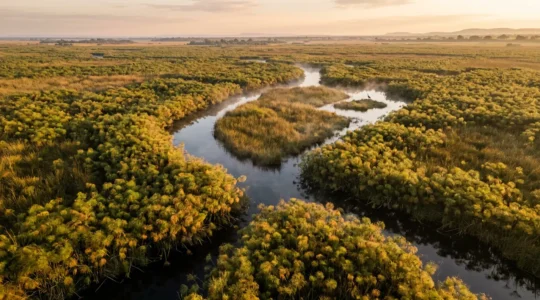
What Lives Inside the Papyrus: The Secret World of the Reed Beds?
The dense papyrus of the Okavango is not a barrier; it’s a multi-story city with its own rules of physics, sound, and light. Creatures use specific sound frequencies and reflective biology to communicate and hunt through the dense vegetation. Extreme…
Lire la suite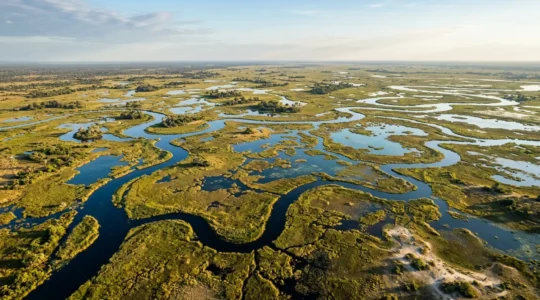
Main Channels vs. Lagoons: How Does the Delta’s Plumbing Work?
Contrary to viewing it as a static wetland, the Okavango Delta is a powerful hydraulic engine, constantly re-engineered by its wildlife and vegetation. Wildlife are not just inhabitants but « bio-engineers »; hippos dredge main arteries while termites construct islands. Vegetation, especially…
Lire la suite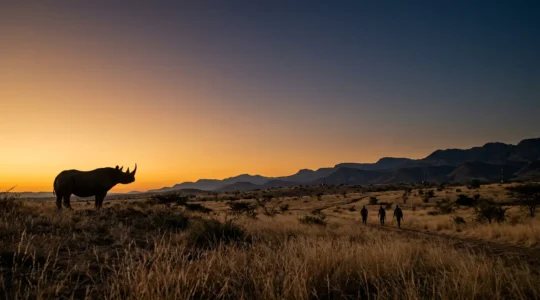
Rhino Sanctuaries: Why Are Cameras and GPS Tags Often Banned Here?
The restrictions on your camera and GPS are not about animal disturbance; they are a critical counter-intelligence measure in a high-tech war against organized crime. Your device’s metadata (geotags) can provide poachers with the exact location of high-value rhino populations….
Lire la suite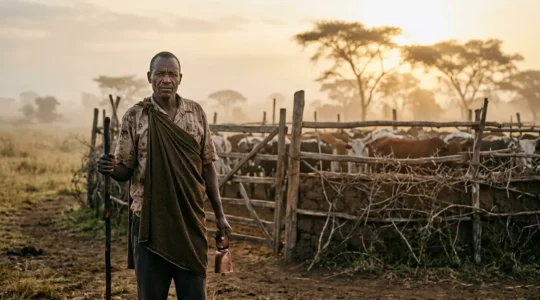
How Do Farmers in Botswana Protect Livestock from Lions Without Shooting Them?
Protecting livestock in Botswana is less about fences and more about deploying a complex economic and behavioral toolkit to manage human-wildlife conflict. Non-lethal deterrents like specialized guardian dogs and chili pepper barriers have proven highly effective but require significant investment…
Lire la suite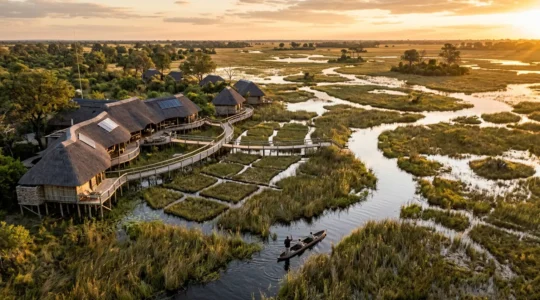
An Auditor’s Guide: How Botswana’s Eco-Tourism Certification System Truly Grades Lodges
Botswana’s eco-certification is more than a label; it’s a verifiable framework of over 240 standards that a discerning traveler can use for their own audit. Verifiable criteria focus on operational integrity in waste, water, and energy management, not just policy….
Lire la suite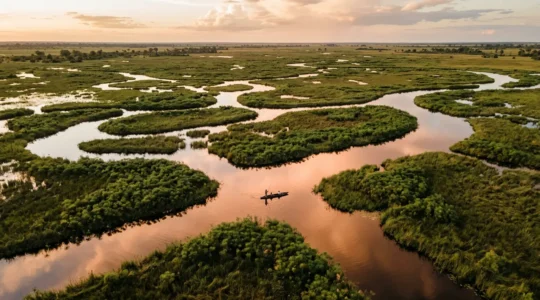
How to Capture the Soul of the Delta: A Guide to Photographing Mirror Reflections Without Glare
The secret to breathtaking Delta reflection photography isn’t eliminating glare, but artistically controlling it to paint with light. Mastering a Circular Polarizer (CPL) allows you to choose between a perfect mirror or a view into the clear water below. Golden…
Lire la suite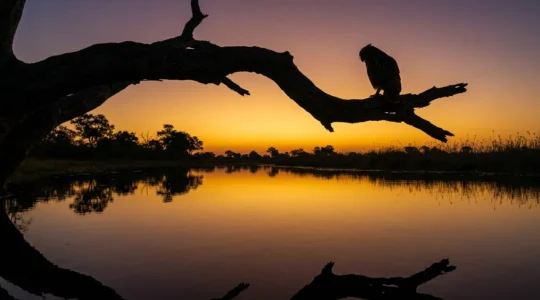
How to Spot the Elusive Pel’s Fishing Owl in the Okavango Panhandle?
Spotting the Pel’s Fishing Owl is not about luck; it’s about systematically decoding the river’s ecological signals. Track key indicator species like Carmine Bee-eaters and Malachite Kingfishers to identify prime hunting territories. Master acoustic triangulation—listening for what isn’t there (oxpecker…
Lire la suite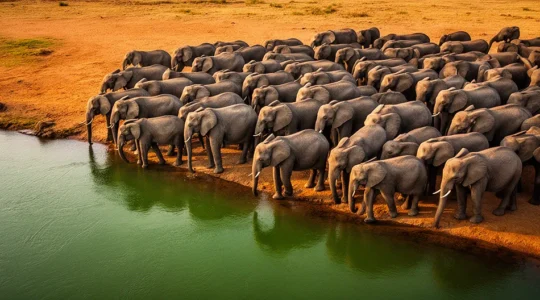
The Great Gathering: Where to Witness Africa’s Largest Elephant Herds in the Dry Season
The spectacle of Africa’s mega-herds is not a matter of luck, but a predictable outcome of immense ecological pressure forcing animals into specific ‘resource funnels’. Chobe National Park acts as a dry-season sanctuary due to its permanent river and protective…
Lire la suite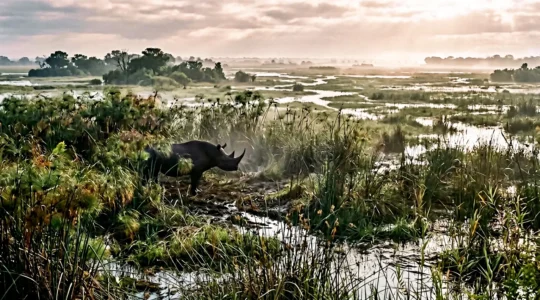
Why Finding Rhinos in the Delta Is Harder Than in Kruger National Park
The difficulty in spotting rhinos in the Okavango isn’t a failure of your safari; it’s a testament to a successful conservation strategy that prioritizes wilderness over accessibility. The Delta is an « ecological fortress, » a vast, roadless wetland that makes access…
Lire la suite