Culture and traditions
Every destination tells a story through its culture and traditions. The festivals celebrated in town squares, the unspoken rules of dining etiquette, the handcrafted textiles sold in markets—these elements form the living fabric of a place. For travelers seeking more than surface-level tourism, understanding cultural traditions transforms a simple trip into a profound journey of human connection and discovery.
Cultural immersion goes beyond visiting monuments or taking photographs. It involves recognizing the values, beliefs, and customs that shape daily life in different communities. This article serves as your foundation for understanding why culture matters in travel, how to navigate local customs respectfully, and what aspects of tradition—from culinary practices to religious observances—deserve your thoughtful attention. Whether you’re planning your first international adventure or you’re a seasoned traveler looking to deepen your cultural awareness, these insights will help you travel with greater empathy and understanding.
Why Cultural Understanding Matters in Travel
Traveling without cultural awareness is like reading a book while skipping every other chapter—you’ll miss the context that makes the story meaningful. When you understand the cultural framework of a destination, seemingly random observations suddenly make sense: why shops close for hours in the afternoon, why people remove their shoes before entering homes, or why certain gestures that seem friendly in your culture might be offensive elsewhere.
Cultural knowledge enhances your travel experience in three fundamental ways. First, it deepens your appreciation for what you witness. Watching a traditional dance performance becomes more meaningful when you understand the historical events it commemorates. Second, it enables genuine connections with local people. A few words in the local language or awareness of appropriate greetings opens doors that remain closed to culturally oblivious visitors. Third, it helps you avoid unintentional disrespect that could damage your reputation or, more importantly, offend your hosts.
Think of cultural understanding as a lens that brings the world into sharper focus. Without it, you see surfaces; with it, you perceive depth, nuance, and the remarkable diversity of human experience. Travelers who invest time in learning about local traditions consistently report more memorable, authentic, and rewarding journeys.
Navigating Local Customs and Etiquette
Every culture develops its own code of conduct—a set of mostly unwritten rules that govern social interactions. These behavioral norms vary dramatically across regions and can encompass everything from greeting rituals to concepts of personal space.
Greetings and Social Interactions
The way people greet each other reveals much about cultural values. Some cultures favor physical contact like kisses on the cheek or warm embraces, while others prefer respectful distance with a bow or a simple verbal acknowledgment. In certain contexts, the depth of a bow or the firmness of a handshake carries specific meaning. Before traveling, research the appropriate greeting customs for your destination, including:
- Physical contact expectations and boundaries
- Eye contact norms (direct eye contact signals confidence in some cultures, disrespect in others)
- Forms of address and titles (when to use first names versus formal titles)
- Gift-giving protocols if invited to someone’s home
Dress Codes and Modesty Standards
Clothing choices communicate respect for local values, particularly in religious or conservative communities. While beach destinations may embrace casual attire, religious sites, government buildings, or traditional neighborhoods often require covered shoulders, long pants or skirts, and sometimes head coverings. Packing a versatile scarf or light cardigan allows you to adapt quickly to different contexts without carrying an entirely separate wardrobe.
Dining Etiquette and Table Manners
Mealtime customs vary tremendously. In some cultures, finishing everything on your plate signals satisfaction; in others, it suggests you weren’t served enough. Some traditions involve eating with hands, specific utensils, or in a particular sequence. Observing local diners before joining a meal—or politely asking your host—demonstrates both humility and genuine interest in doing things correctly.
Traditional Celebrations and Festivals
Festivals offer windows into a culture’s soul, revealing what communities value, commemorate, and celebrate together. These cultural celebrations often have roots stretching back centuries, blending historical events, seasonal changes, religious observances, and agricultural cycles.
Religious festivals form the backbone of many cultural calendars. Whether it’s processions carrying sacred objects through streets, communal fasting followed by feasting, or elaborate ceremonies marking life transitions, these events help maintain community bonds and transmit values across generations. As a respectful observer, you might witness the devotion that shapes millions of lives, but remember that your role is to watch quietly rather than intrude or treat sacred moments as entertainment.
Harvest festivals and seasonal celebrations connect communities to the land and the rhythm of nature. These events often feature traditional music, dancing, and foods specific to the season. A spring flower festival in one region, a winter solstice celebration in another, or a thanksgiving for successful harvests—each reflects the relationship between people and their environment.
Cultural heritage festivals celebrate national identity, historical events, or artistic traditions. You might encounter reenactments of important battles, showcases of traditional crafts, or competitions in indigenous sports and games. These festivals often welcome visitors enthusiastically, as they serve partly to educate younger generations and outsiders about cultural legacy.
Timing your travels to coincide with major festivals can be rewarding, but also challenging. Accommodations book quickly, prices rise, and crowds swell. The key is planning well in advance and maintaining realistic expectations about accessibility and comfort during peak celebration periods.
Culinary Traditions and Food Culture
Food is culture made edible. The ingredients people choose, the methods they use to prepare them, and the rituals surrounding meals all reflect environmental conditions, historical influences, and core values. Understanding culinary traditions opens one of the most delicious paths to cultural appreciation.
Every cuisine tells a migration story. Spices indicate ancient trade routes. Cooking techniques reveal technological development and resource availability. A single traditional dish might contain ingredients introduced by various conquerors, traders, and immigrants across centuries, creating a delicious historical record on your plate.
Mealtime rituals structure daily life in profound ways. In some cultures, lunch is the main meal, with families gathering in the middle of the day and businesses closing for extended breaks. In others, dinner serves as the primary social occasion. The pace of meals varies too—some traditions favor quick, efficient eating, while others embrace hours-long dining experiences where conversation matters as much as cuisine.
Street food culture deserves particular attention from adventurous travelers. Market stalls and street vendors often preserve traditional recipes and techniques passed down through generations. These humble establishments frequently serve the most authentic local flavors, prepared by cooks who’ve mastered specific dishes through decades of daily repetition. However, food safety considerations matter: choose vendors with high turnover, visible cooking processes, and local customer loyalty.
Dietary restrictions and food taboos reveal cultural and religious values. Certain ingredients might be prohibited, preparation methods prescribed, or combinations avoided for spiritual, ethical, or practical reasons. Vegetarianism, restrictions on alcohol, or avoidance of specific meats all carry cultural significance worth understanding and respecting.
Engaging Respectfully with Local Communities
Cultural sensitivity isn’t about walking on eggshells or suppressing your own identity. It’s about approaching differences with curiosity rather than judgment, asking questions rather than making assumptions, and recognizing that your way isn’t the only valid way.
Photography requires particular mindfulness. While capturing memories is natural, not everyone appreciates having cameras pointed at them, their children, or their sacred spaces. Some communities have religious or cultural beliefs about photography. Always ask permission before photographing people, and graciously accept if they decline. Sacred sites may prohibit photography entirely—respect these boundaries even when enforcement seems lax.
Language learning, even at a basic level, demonstrates respect and facilitates connection. You don’t need fluency; learning essential phrases shows effort and humility. « Hello, » « thank you, » « please, » and « I don’t understand » open surprisingly many doors. The attempt matters more than perfect pronunciation, and locals typically appreciate the effort, often responding with patience and warmth.
Supporting local economies through thoughtful choices strengthens communities. Prioritize locally-owned accommodations, restaurants, and tour operators over international chains. Purchase handicrafts directly from artisans when possible, understanding that traditional crafts represent cultural knowledge that deserves fair compensation. Be willing to pay appropriate prices rather than aggressively bargaining in contexts where it’s inappropriate.
Environmental and social responsibility forms part of cultural respect. Many destinations face challenges from tourism pressure—water scarcity, waste management issues, overcrowding at sensitive sites, or disruption of traditional ways of life. Travel thoughtfully by minimizing your environmental footprint, respecting quiet hours and residential areas, and supporting conservation efforts that preserve both natural and cultural heritage.
Understanding culture and traditions transforms you from a tourist into a traveler—someone who moves through the world with open eyes and an open heart. The customs you observe, the festivals you witness, the foods you taste, and the conversations you share all contribute to a richer understanding of humanity’s beautiful diversity. This cultural foundation prepares you to explore specific aspects more deeply, whether that’s mastering regional etiquette, participating in traditional celebrations, or learning the stories behind local art forms. Each journey becomes not just a change of scenery, but an education in different ways of being human, ultimately revealing what connects us across all our fascinating differences.
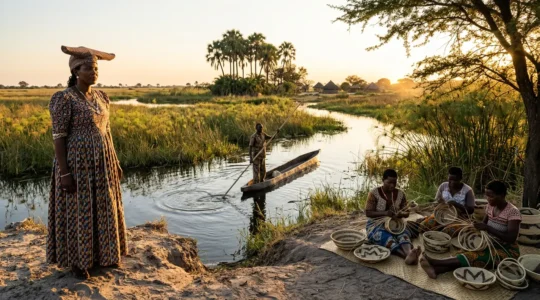
Herero, Bayei, or Hambukushu: A Guide to the Peoples of the Okavango Delta
The true richness of the Okavango Delta lies not just in its wildlife, but in its complex mosaic of human cultures, each with a unique « cultural DNA » waiting to be understood. Identity is expressed through « living history, » like the Herero’s…
Lire la suite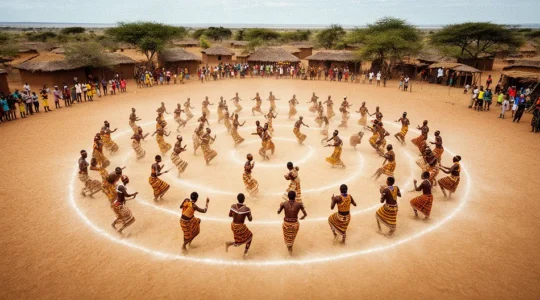
Maitisong to Dithubaruba: Which Festival Should You Time Your Trip Around?
Planning a trip to Botswana around culture, not just wildlife, requires a new approach: choosing your festival first. For deep-rooted history and ancestral reverence, target the Dithubaruba festival to experience authentic Kwena heritage. For a vibrant, multi-disciplinary contemporary arts scene,…
Lire la suite
Maun Beyond the Airport: What Is Daily Life Really Like in the Gateway to the Delta?
Contrary to its reputation as a mere safari stopover, Maun is a vibrant economic and cultural hub where deep traditions and modern life dynamically intersect. The weekend exodus to the « cattle post » isn’t a leisure trip; it’s participation in a…
Lire la suite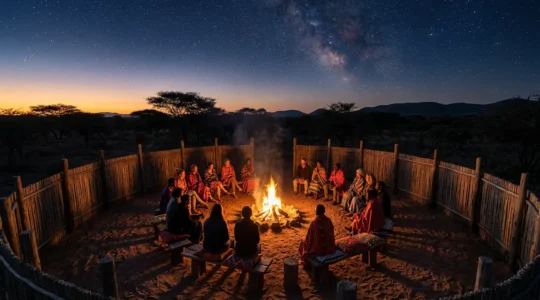
Why Is the Boma Dinner the Highlight of Social Life in a Safari Lodge?
The idea of a mandatory group performance at a safari boma dinner can be daunting for shy travelers, but the reality is an invitation to connect, not a command to perform. The boma is a space designed for safety and…
Lire la suite
Kudu, Impala, or Ostrich? A Guide to Eating Game Meat Sustainably and Ethically
The sustainability of your game meat dinner depends less on the species (kudu, impala) and more on the provenance and the economic model behind it. Ethical sourcing relies on verifiable traceability systems that distinguish legal culling or farming from poaching….
Lire la suite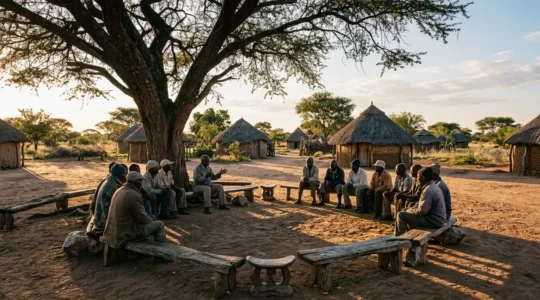
What Is the True Role of the Kgotla Court in Modern Botswana?
In a world of rapid change, Botswana’s traditions remain remarkably intact. This isn’t by accident. The Kgotla court, often seen as a simple tribal meeting place, is actually the operational heart of a deep cultural philosophy called botho. It’s a…
Lire la suite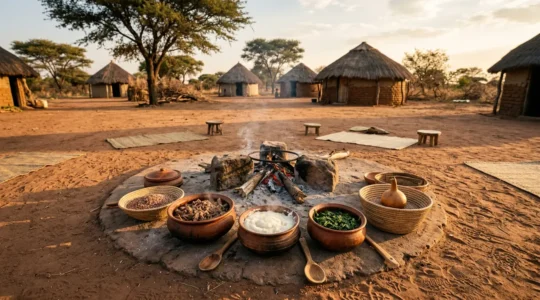
Seswaa and Pap: How to Eat Botswana’s National Dish Like a Local?
Tasting Botswana’s national dish, Seswaa and Pap, is about more than just food; it’s an immersion into a cultural ecosystem. This guide reveals how the open fire, foraged wild greens, and communal boma setting are the true ingredients that transform…
Lire la suite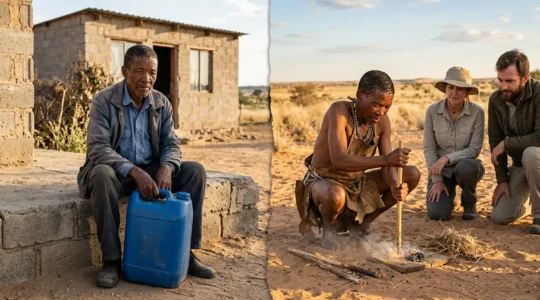
Hunter-Gatherer Lifestyle: What Is Real and What Is Staged for Tourists?
Contrary to the romantic image of an unchanged ancient culture, the San « hunter-gatherer » experiences for tourists are often carefully staged performances—and understanding this is the key to a truly meaningful encounter. Cultural demonstrations like fire-making or healing dances are not…
Lire la suite
Why Is a Guide Mandatory to Visit the Rock Art at Tsodilo Hills?
The mandatory guide at Tsodilo Hills isn’t a tourist trap; it’s a fundamental requirement for cultural and spiritual access to a living heritage site. Guides are trained interpreters who can « read » the complex layers of art that are invisible to…
Lire la suite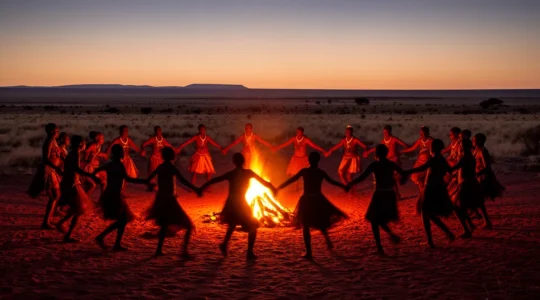
How to Experience Authentic San Culture Without Falling into Tourist Traps
The key to an authentic San cultural experience isn’t finding an « untouched » community, but learning to decipher the cultural codes of a modern people navigating their heritage. Authenticity lies in understanding the *why* behind a practice (like a trance dance),…
Lire la suite