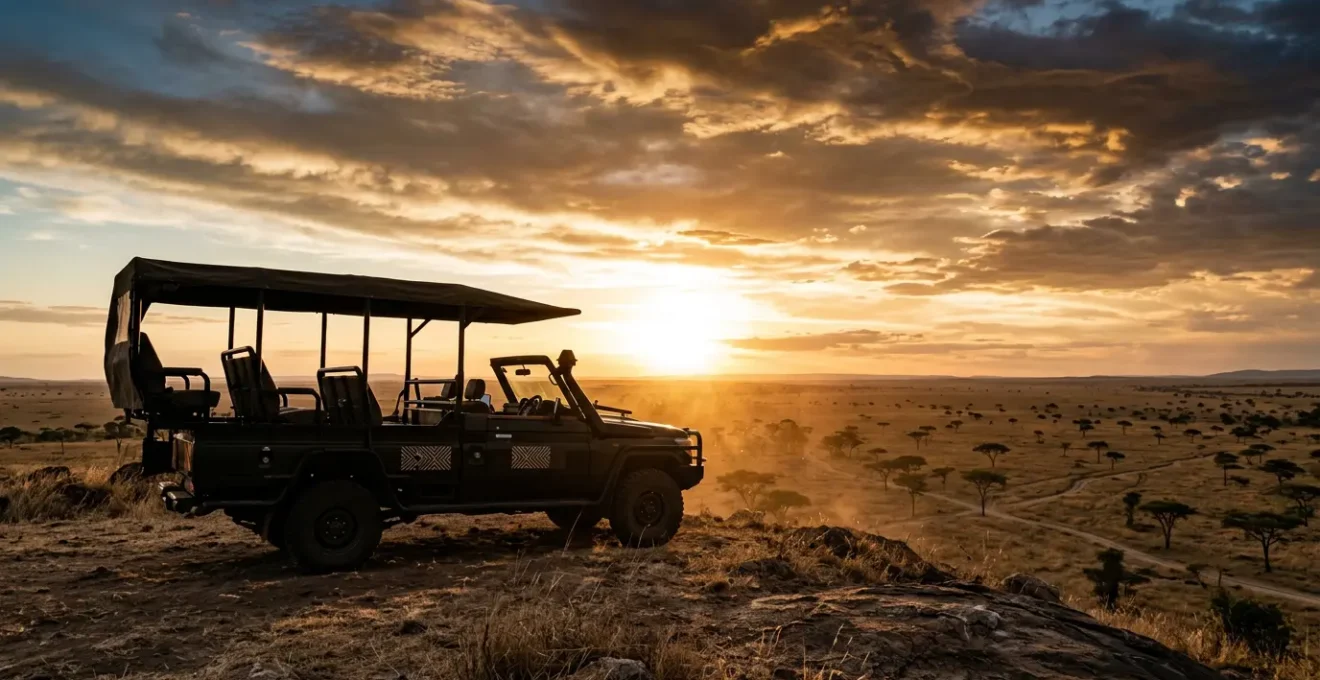
Contrary to popular belief, the difference between a premier and a standard game drive isn’t just about comfort or fewer guests; it’s a fundamental shift in the entire methodology of wildlife viewing.
- Premier drives operate with unparalleled operational freedom, enabling unique experiences like night drives and off-road tracking that are prohibited in national parks.
- The experience is powered by an expert tracker-guide synergy, where two specialists work in concert to interpret the bush and locate elusive animals.
Recommendation: Choose a premier game drive if your goal is not just to see wildlife, but to immerse yourself in the art of tracking and gain a deeper, more intimate connection with the African wilderness.
When planning the safari of a lifetime, travelers inevitably face a crucial decision: is the « premier » game drive offered by a private lodge worth the significant extra cost compared to a standard tour in a national park? Many assume the difference lies in superficial comforts—a more luxurious vehicle, perhaps, or the promise of a sundowner G&T. While these elements are present, they are merely pleasant by-products of a much deeper distinction.
The common advice focuses on what you get: fewer people per vehicle, more experienced guides, and better amenities. These points are valid, but they fail to capture the essence of the premium. The true value lies not in the « what, » but in the « how. » It’s about a completely different philosophy of engagement with the wilderness. It’s about shifting from the role of a passive tourist on a sightseeing trip to an active participant in a dynamic and unfolding natural drama.
This guide moves beyond the surface-level comparisons. We will explore the operational mechanics and expert techniques that define a premier experience. We will delve into why certain sightings are only possible under specific conditions, how the vehicle itself becomes a tool for discovery, and why the person sitting quietly on the vehicle’s hood is often the key to unlocking the bush’s greatest secrets. The difference is not an upgrade; it is a transformation of the entire safari experience.
To help you understand these crucial distinctions, this article breaks down the core components that elevate a game drive from a simple tour to an unforgettable immersion. The following sections will guide you through the practical and philosophical differences you can expect.
Summary: The Premier Game Drive Experience
- Why Can You See Aardvarks Only on Night Drives in Private Concessions?
- Open-Sided vs. Closed Vehicles: Which Is Safer and Better for Photos?
- The 3 Behaviors That Will Make Your Fellow Safari Guests Hate You
- Why You Need a Fleece Jacket in Botswana Even in Summer Mornings?
- Why Is the Tracker Sitting on the Hood the Most Important Person on Your Drive?
- Where to Sit in the Land Cruiser to Get Eye-Level Shots of Lions?
- How to Tell How Fresh a Lion Track Is by Touching the Sand?
- Why Are Night Drives Only Legal in Private Concessions and Not National Parks?
Why Can You See Aardvarks Only on Night Drives in Private Concessions?
The African bush undergoes a profound transformation after sunset. The world that was visible during the day retreats, and a new, secretive cast of characters emerges. This is the realm of nocturnal specialists like the aardvark, genet, and porcupine—creatures rarely, if ever, seen under the harsh light of day. A premier game drive in a private concession grants you exclusive access to this hidden world.
As darkness falls, predators like lions and leopards become more active, using the cover of night to hunt. On a night drive, the experience is uniquely thrilling; the bush is alive with sounds, and the focused beam of a red-filtered spotlight reveals eyes glowing in the dark. This controlled use of light is key; the red filter minimizes disturbance to the animals, allowing for intimate, ethereal sightings. It’s an eerie and unforgettable experience, starkly different from any daytime encounter.
This opportunity is a direct result of the operational freedom private concessions enjoy. National parks typically have strict curfews, requiring all vehicles to be back at camp by dusk. Private reserves, however, set their own rules, allowing guides to lead excursions deep into the night. It is this exclusive access, combined with a guide’s skill in using the spotlight, that makes sightings of shy, nocturnal animals like the aardvark a real possibility, turning a great safari into an extraordinary one.
Open-Sided vs. Closed Vehicles: Which Is Safer and Better for Photos?
The type of vehicle used on safari has a significant impact on both your safety and your ability to capture stunning photographs. Standard tours, particularly in some national parks, often use closed vehicles like minivans with pop-up roofs. While offering a sense of security from the elements, they can be restrictive for photography. Premier lodges almost exclusively use custom-modified, open-sided 4×4 vehicles, typically a Land Cruiser or Land Rover.
From a safety perspective, both vehicle types are secure when managed by a professional guide. In an open vehicle, the guide’s expertise is paramount. They are trained to read animal behavior and maintain a safe distance, ensuring a relaxed encounter. The elevated seating and open sides provide an unobstructed, 360-degree view, creating a more immersive sensory experience—you hear every rustle, smell the rain-soaked earth, and feel the breeze. This lack of barriers fosters a powerful feeling of connection to the environment.
For photographers, the open-sided vehicle is undeniably superior. It provides the photographic agency to shoot from a low angle, at eye-level with a predator, without a window frame getting in the way. Furthermore, these vehicles are often equipped with features to enhance stability. While some professionals use gimbals, a simple and highly effective tool is a high-quality beanbag. As noted by photography experts, draping a versatile beanbag like the Kinesis SafariSack 4.2 over a rail or door frame provides a surprisingly stable platform, crucial for sharp images with a long lens.
The 3 Behaviors That Will Make Your Fellow Safari Guests Hate You
A premier game drive is an intimate, shared experience, typically with a maximum of six guests. This small group dynamic is a huge advantage, but it also comes with a responsibility to be considerate of others. While the wilderness is unpredictable, one thing is certain: your behavior directly impacts the enjoyment and safety of everyone in the vehicle. Adhering to safari etiquette is not just polite; it’s essential for a successful drive.
Your guide is a highly trained professional whose primary job is to keep you safe while providing incredible sightings. As Africa Geographic emphasizes in its guide to game drives, their instructions are not mere suggestions. Trusting their judgment is the first rule of safari etiquette.
Your guide will brief you on safety protocols, such as not standing up in the vehicle near animals and avoiding excessive noise. Your guide will steer clear of dangerous animals that appear stressed or are likely to behave aggressively. Being so close to wild animals is an exhilarating experience that will have you returning for more.
– Africa Geographic, Game Drive Safari Guide
Based on this principle, here are three key behaviors to avoid:
- Ignoring the Guide: This is the cardinal sin. Do not stand up without permission, especially near predators. Avoid loud talking, sudden movements, or using a flash, as this can stress the animals and ruin the sighting for everyone. The guide determines the vehicle’s position and the duration of the stay for a reason—they understand the animal’s comfort zone.
- Being a Sighting Hog: In a shared vehicle, everyone deserves a chance for a great view and a clear shot. Avoid blocking others’ views with your camera or standing for extended periods. Be mindful of your fellow guests and be prepared to shuffle seats between sightings if the guide suggests it.
- Constant Impatience: A safari is not a zoo. There will be periods of quiet tracking. Complaining about not seeing a leopard within the first hour or constantly asking « are we there yet? » creates a negative atmosphere. Patience is part of the adventure; embrace the search and appreciate the smaller wonders along the way.
Why You Need a Fleece Jacket in Botswana Even in Summer Mornings?
Packing for a safari in a hot destination like Botswana can be deceptive. While midday temperatures soar, the most rewarding wildlife viewing happens during the cool bookends of the day. This requires a layering strategy, and a warm fleece jacket is arguably the most crucial piece of your safari wardrobe, even in the height of summer.
The reason lies in the daily schedule of a premier safari lodge. To maximize your chances of seeing active wildlife, the day starts early. According to safari experts at Extraordinary Journeys, on a typical day, you can expect a 5:30 a.m. wake-up call for coffee before heading out as the sun rises. At this pre-dawn hour, temperatures can be surprisingly cold, often dropping into the single digits Celsius (40s-50s Fahrenheit), especially in an open vehicle with wind chill.
This morning chill creates a magical atmosphere, with mist rising off the floodplains of the Okavango Delta and predators using the cool air for a final hunt. But this sensory immersion can quickly turn uncomfortable if you’re not prepared. Most lodges provide blankets, but wearing your own layers is the best way to regulate your temperature. As the sun climbs and the day warms up, you can simply shed your fleece. The same principle applies to the late afternoon drive, which extends into the evening after the sun sets and temperatures drop once again.
Why Is the Tracker Sitting on the Hood the Most Important Person on Your Drive?
While the safari guide behind the wheel is your host and interpreter of the bush, a premier game drive often involves a second, equally vital expert: the tracker. This is the person you see perched in a specially mounted seat on the front of the vehicle’s hood. In many safari destinations, especially Southern Africa, this tracker-guide synergy is the secret ingredient that elevates a drive from a pleasant tour to a masterclass in tracking.
The tracker’s role is singular and highly specialized: to find wildlife by reading the « morning newspaper »—the fresh tracks and signs left in the sand overnight. From their low, forward-facing vantage point, they can spot the faintest pugmark of a leopard, notice a freshly broken branch, or hear the subtle alarm call of a squirrel that signals a nearby predator. They are masters of a near-lost art, communicating with the guide through a complex series of hand signals. The guide then positions the vehicle and provides the broader ecological context.
This two-person team is a hallmark of the premier safari. As noted by Kafunta Safaris, a renowned operator in Zambia, this setup is designed for maximum effectiveness. While the guide focuses on driving, navigating, and communicating with guests, the tracker can give their undivided attention to the ground ahead. It’s an incredibly effective system that dramatically increases the chances of finding elusive or rare animals. This collaborative approach embodies the deeper methodology of a premier safari: it’s not about luck, but about a systematic and expert-led process of discovery.
Where to Sit in the Land Cruiser to Get Eye-Level Shots of Lions?
For any aspiring wildlife photographer, vehicle positioning is everything. Getting that perfect, frame-worthy shot of a lion isn’t just about having the right camera; it’s about having the right angle. On a premier game drive with fewer guests in an open vehicle, you have the flexibility to choose your seat strategically. Each row in a typical three-row Land Cruiser offers distinct advantages and disadvantages for photography.
The key to a powerful wildlife portrait is often getting to the animal’s eye level. This creates a more intimate and engaging image. Your choice of seat directly influences this ability. The front row offers the lowest perspective, but the middle row is often considered the sweet spot for stability and versatility. A comparative analysis of seating positions highlights these trade-offs clearly.
| Seat Position | Photography Advantages | Comfort Level | Stability |
|---|---|---|---|
| Front Row | Lowest angle, unobstructed view forward | Bumpiest ride | Moderate |
| Middle Row | Best balance, clear view both sides | Most stable | Excellent |
| Back Row | Elevated perspective | Over wheel axle | Poor |
To truly maximize your photographic opportunities, especially if photography is your primary goal, you need to go beyond just picking a seat. It involves clear communication and preparation, transforming the vehicle into your mobile studio.
Action Plan: Optimizing Your Vehicle for Photography
- Communicate Your Goals: Before the drive begins, have a brief chat with your guide. Let them know you’re a keen photographer and what kind of shots you’re hoping for (e.g., « I’d love to get some low-angle portraits »). A good guide will appreciate this and do their best to accommodate.
- Prepare Your Support: Have your beanbags or other support systems ready. Place them on the vehicle rails as soon as you stop for a sighting. This preparation ensures you’re stable and ready to shoot the moment the action happens.
- Request a Private Vehicle: For ultimate control, consider booking a private vehicle. While this comes at a significant extra cost (often $500+ per day), it gives you complete photographic agency—you dictate where to stop, for how long, and how to position for the best light.
- Plan for Rotation: If you are sharing with other photographers, discuss a seat rotation plan beforehand. This ensures everyone gets a turn in the « prime » seats (usually the middle and front rows) and avoids any friction during the drive.
- Master the Low Angle: If you are in the front or middle row, don’t be afraid to shoot from a very low position, even resting your camera on the vehicle floor (on a beanbag) to get that powerful eye-level perspective with large cats or other ground-dwelling animals.
How to Tell How Fresh a Lion Track Is by Touching the Sand?
One of the most magical moments on a premier safari is watching your tracker suddenly signal the guide to stop. He hops off the vehicle, crouches down, and gently touches the edge of a paw print in the sand. This is not for show; it is a critical diagnostic step in the art of tracking. The ability to determine the age of a track is what separates a wild goose chase from a successful pursuit, and it relies on a deep, tactile understanding of the environment.
A tracker uses multiple senses to build a story from the signs left behind. They are looking for subtle clues that time, wind, and sun quickly erase. A very fresh track, perhaps only minutes old, has distinct characteristics that an expert can read like a book. An assessment of these methods shows it’s a multi-sensory process. The tracker is essentially performing a forensic analysis on the spot, piecing together the movements of an animal that is just out of sight.
Here’s what they are looking for when they examine a track:
- Edge Sharpness: A track made moments ago will have perfectly crisp, sharp edges. When the tracker gently touches the rim of the pugmark, the compressed sand will feel firm. If the edges crumble easily, the track is older and has started to dry out.
- Moisture Content: Freshly compressed sand will appear darker and feel slightly damp to the touch, as the pressure has brought subsurface moisture to the top. This is especially true in the early morning.
- Absence of Debris: A very recent track will be clean. If there is fine, wind-blown sand, tiny leaves, or other debris settled inside the print, it indicates that some time has passed since the animal walked by.
- Temperature Differential: An advanced technique involves feeling the temperature inside the track versus the surrounding sand. Sand inside a track made before sunrise will still be cooler than the adjacent sand that has been hit by the morning sun, giving a clue as to when the animal passed.
This level of detail is the essence of the methodology of engagement on a premier drive. You are not just looking for animals; you are learning to read the language of the bush alongside a master.
Key Takeaways
- Operational Freedom is Key: Premier drives in private concessions allow for off-road travel and night drives, activities forbidden in national parks, giving access to more exclusive and unique sightings.
- The Power of Two: The expert synergy between a guide (driver/interpreter) and a tracker (on the hood) dramatically increases the chances of finding elusive wildlife by combining navigation with specialized tracking skills.
- Designed for Immersion: From the open-sided vehicles that enhance photography to the small group sizes that ensure a personal experience, every element is designed to move you from passive observer to active participant.
Why Are Night Drives Only Legal in Private Concessions and Not National Parks?
The ability to go on a night drive is one of the most compelling reasons to choose a lodge in a private concession. This exclusive activity is almost universally prohibited within the boundaries of national parks, and the reason comes down to a fundamental difference in management, regulation, and conservation philosophy. National parks are state-owned lands managed with a mandate to conserve the ecosystem while providing access to a large number of visitors. This requires strict rules to minimize widespread impact.
These rules typically include designated road networks, prohibitions on off-road driving, and strict opening and closing times for the park gates. These regulations are essential for managing high volumes of traffic and protecting the delicate environment from degradation. As a result, all tourist vehicles must be back in their designated camps or lodges by dusk, making night drives impossible. It’s a necessary trade-off to ensure the long-term health of these vast, public wilderness areas.
In contrast, a private concession or reserve operates under a different model. These are often privately owned or community-leased lands that border or are adjacent to national parks. Places like the renowned Sabi Sands Game Reserve in South Africa, which borders Kruger National Park, function under their own set of rules. As highlighted by safari operators, these private concessions have more flexibility. This « operational freedom » is the cornerstone of the premier safari experience.
Because they host a much lower density of guests and vehicles, they can permit activities that would be unsustainable on a larger scale. This includes driving off-road for a short distance to get a better view of a special sighting, conducting guided bush walks, and, most importantly, leading game drives after dark. This flexibility is managed responsibly by highly trained guides to ensure minimal disturbance, offering guests a more intimate and exclusive way to experience the wild without the crowds and restrictions of a national park.
To truly appreciate this immersive methodology of engagement, the next logical step is to experience it for yourself. When you plan your safari, consider how these differences align with your goals and allow yourself to discover this deeper, more authentic connection to the African wild.